Woven Worlds: The Splendour of Tudor Tapestries & Textiles
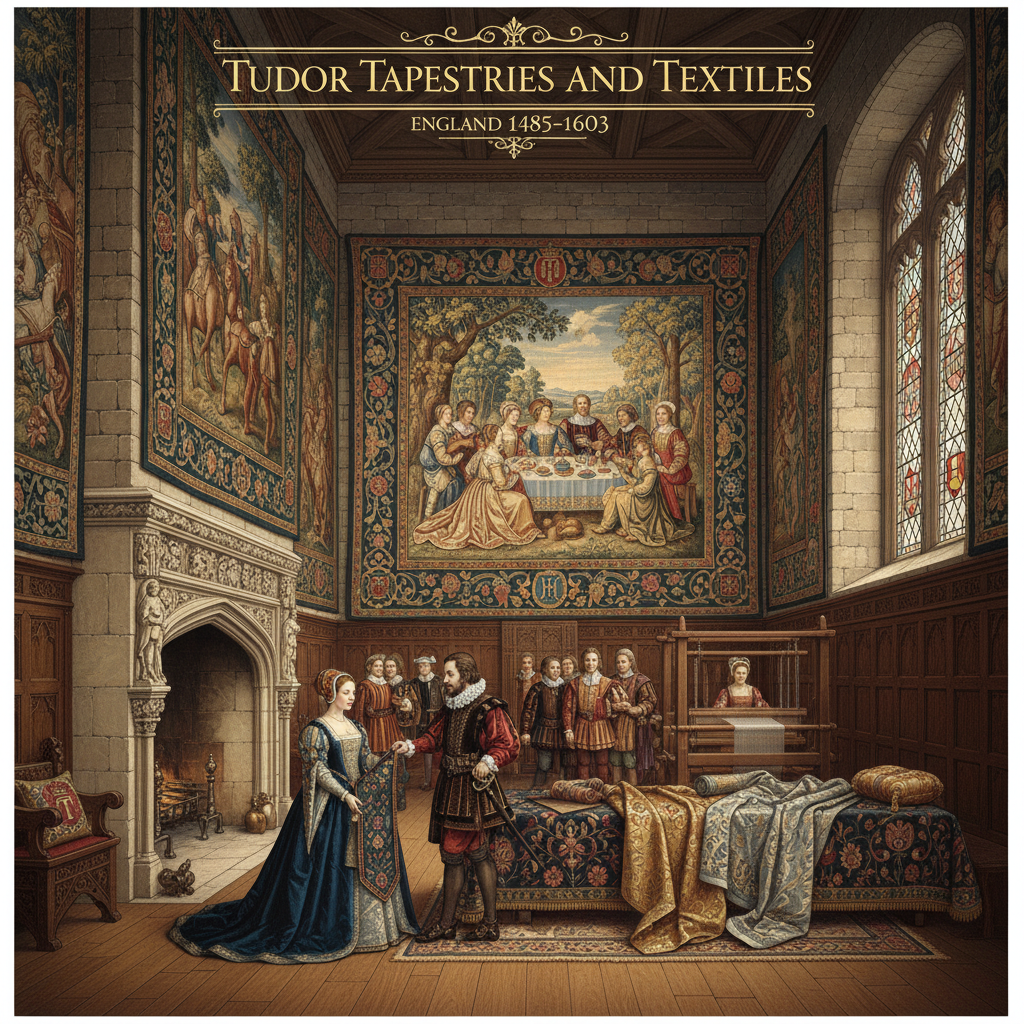
Step into any grand Tudor residence, and you would immediately be struck by the sheer opulence and vibrant colours that adorned its walls and furnishings. Far from being mere decorative items, Tudor tapestries and textiles were central to the identity, power, and comfort of the English elite. These magnificent woven artworks transformed cold, stone chambers into lavish, habitable spaces, proclaiming wealth, status, and often, political allegiance. From the intricate narratives depicted on vast tapestries to the luxurious velvets and silks that clothed royalty, textiles were an indispensable part of Tudor life, reflecting an era of burgeoning artistry and international trade.
The Tapestry Craze: Walls That Spoke Volumes
In the Tudor period, tapestries were not just wall hangings; they were portable art, insulation, and status symbols all rolled into one. A bare stone wall in a castle or palace would have been considered bleak and inhospitable. Tapestries provided warmth, acoustic dampening, and, most importantly, a breathtaking display of wealth and taste. Kings, queens, and powerful nobles invested enormous sums in these woven masterpieces, often commissioning them from renowned workshops in Flanders and Arras, the epicentres of tapestry production.
The subjects depicted were incredibly diverse, ranging from biblical stories and classical myths to historical events, hunting scenes, and verdant 'verdure' panels featuring lush landscapes. These narratives served not only to entertain but also to educate and subtly reinforce moral or political messages. Henry VIII, a monarch known for his extravagant tastes, amassed one of the largest and most valuable tapestry collections in Europe. His inventory, meticulously recorded, listed thousands of pieces, many depicting his triumphs and lineage.
“The King’s Majesty hath in his wardrobe of robes, rich hangings of tapestry, cloth of gold, and cloth of silver, and other rich stuffs, to the number of 2,000 pieces.”
— From an inventory of Henry VIII's possessions
The sheer scale of these tapestries was often astounding, with some panels covering entire walls, stretching dozens of feet in length and height. Moving these colossal artworks was a significant undertaking, requiring teams of servants and specially designed carts, underscoring their value and the logistical challenges of a peripatetic court.
The Art of Weaving: Materials and Craftsmanship
The creation of a Tudor tapestry was a painstaking and highly skilled process. Master weavers, often working in large workshops, would translate detailed painted cartoons (designs) into woven form. The primary materials were wool and silk, with gold and silver threads often incorporated to add shimmering highlights and denote extreme luxury. The quality of the dyes was paramount, as vibrant, lasting colours were a hallmark of expensive pieces.
TAGS
Discussion
No comments yet
Be the first to share your thoughts on this article!
You May Also Like
Continue exploring Tudor history with these related articles

Catherine of Aragon: The Spanish Princess Who Defined the Tudor Era
Explore the life of Catherine of Aragon, the Spanish Infanta whose marriage to Henry VIII and subsequent refusal to accept an annulment triggered the English Reformation and defined the Tudor era.

The Sickening Truth: Medicine and Health in Tudor England
Dive into the precarious world of Tudor medicine, exploring the reliance on the Four Humours, the terrifying reality of the plague, and the often-dangerous treatments used by physicians, surgeons, and apothecaries in 16th-century England.

The Boleyn Ascent: How a Norfolk Family Conquered the Tudor Court
Explore the astonishing three-generation rise of the Boleyn family, from ambitious London merchants to the pinnacle of power, culminating in Anne Boleyn's controversial queenship and the English Reformation.

The Majesty and Mystery of Tudor Gardens and Landscapes
Explore the sophisticated world of Tudor gardens and landscapes, revealing how these meticulously designed spaces served as powerful symbols of status, utility, and Renaissance order during the reigns of Henry VIII and Elizabeth I.