Tudor Feasts: A Culinary Journey Through History
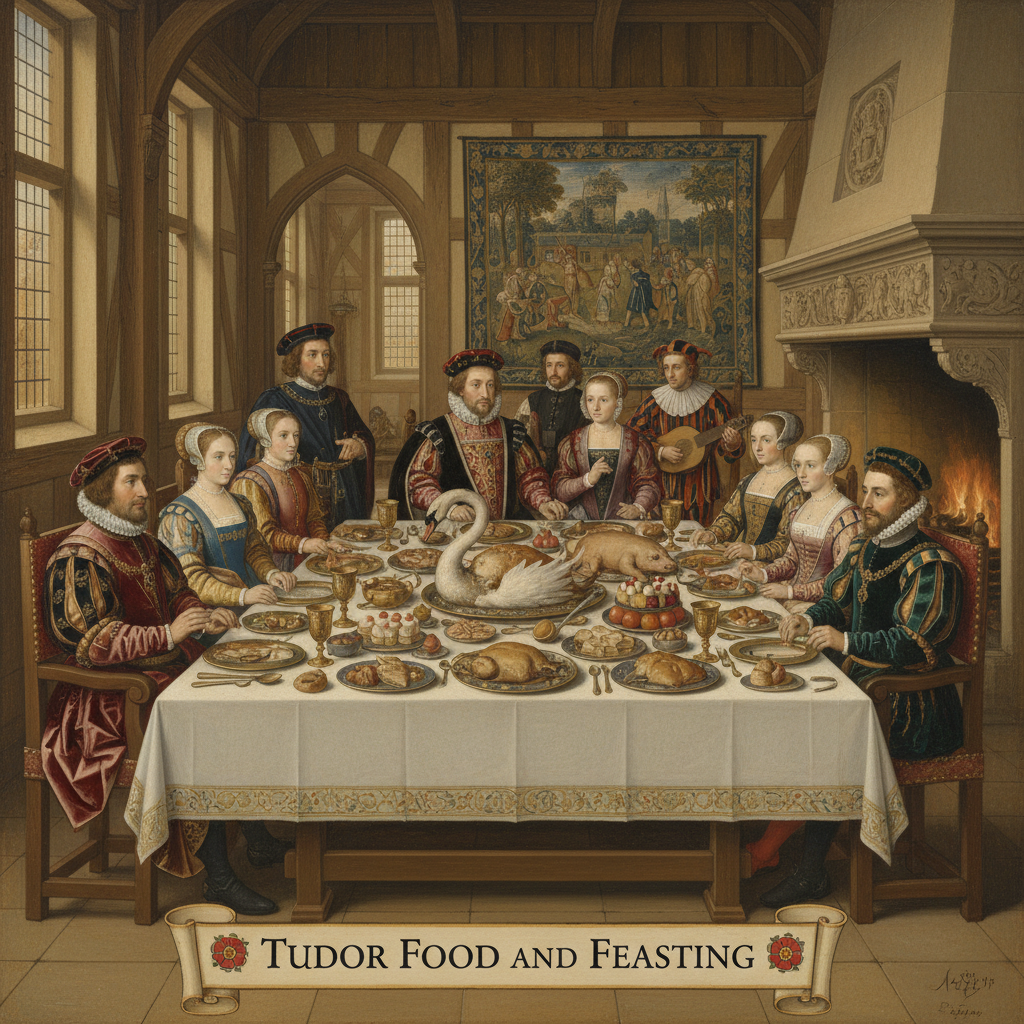
Imagine a world where sugar was a luxury, forks were a novelty, and a king's dinner could last for hours, featuring dozens of dishes. Welcome to the vibrant, often extravagant, and sometimes surprisingly simple world of Tudor food and feasting. Far more than mere sustenance, food in Tudor England was a powerful symbol of status, wealth, and power, reflecting the rigid social hierarchy of the age. From the lavish banquets of Henry VIII to the humble pottage of the common folk, every meal told a story about who you were, where you stood, and what your life entailed.
The Social Hierarchy on a Plate: Rich vs. Poor
Tudor society was deeply stratified, and nowhere was this more evident than at the dinner table. The diets of the wealthy elite and the struggling commoners were worlds apart, dictated by access, cost, and culinary fashion.
The Royal Table: A Symphony of Excess
At the pinnacle of this culinary pyramid sat the monarch. Royal feasts, particularly during the reign of Henry VIII, were legendary for their opulence and sheer volume. A single meal could feature dozens, if not hundreds, of dishes served in multiple courses, designed to impress and awe. Meats were king: venison, beef, mutton, pork, and a staggering array of wildfowl like swans, peacocks, herons, and cranes, often roasted whole and re-dressed in their feathers. Spices, imported from exotic lands, were liberally used, not just for flavour but as a display of wealth.
Sugar, a costly import, was fashioned into elaborate 'subtleties' – intricate sculptures depicting castles, mythical beasts, or allegorical scenes – serving as both dessert and entertainment. Forks were still a rarity, used primarily for serving, not eating. Diners ate with knives, spoons, and, most importantly, their hands.
“For the nobility, the table was not merely a place of eating, but a stage for the display of wealth, power, and social standing.” - Alison Sim, 'Food and Feast in Tudor England'
The Commoner's Fare: Sustenance and Survival
For the vast majority of the population, life was a constant struggle for survival, and their diet reflected this harsh reality. The staple food was 'pottage' – a thick, savoury stew made from grains (oats, barley, rye), vegetables (cabbage, onions, peas, beans), and whatever small scraps of meat or fish could be acquired. Bread, usually a coarse, dark loaf made from rye or barley, was also fundamental.
Meat was a luxury, reserved for special occasions or for those who could hunt small game or keep a few animals. Fish was more common, especially on fast days mandated by the Church (Wednesdays, Fridays, Saturdays, and during Lent), when meat was forbidden. Dairy products like cheese and butter were important sources of protein and fat. Ale, brewed from malted barley, was consumed by all ages throughout the day, as water was often unsafe to drink.
Did You Know?
Despite popular belief, potatoes and tomatoes were not common in Tudor England. They were New World imports that only gradually gained acceptance much later. Most common vegetables included cabbage, onions, leeks, carrots (though often purple or yellow, not orange), and peas.
The Tudor Kitchen: Heart of the Household
The Tudor kitchen, whether in a grand palace or a humble cottage, was a bustling, smoky, and often dangerous place. In larger households, it was a complex operation, a hive of activity employing dozens of staff, from master cooks and larderers to scullery maids and turnspit boys.
Tools of the Trade
Tudor kitchens lacked many modern conveniences. Cooking was done over open fires or in large brick ovens. Spits, often turned by dogs (turnspit dogs) or mechanical jacks, roasted meats to perfection. Cauldrons, skillets, and frying pans were made of iron or copper. Grinders, mortars and pestles, and sieves were essential for preparing ingredients. Hygiene standards were, by modern measures, rudimentary, but cooks were expected to maintain a certain level of cleanliness to prevent illness.
Preservation Techniques
Without refrigeration, food preservation was crucial. Salting, smoking, pickling, and drying were common methods. Meat and fish were heavily salted to prevent spoilage. Fruits were often dried or preserved in honey or sugar. Root vegetables could be stored in cool, dark cellars. This reliance on preservation meant that fresh produce was often seasonal and highly prized.
Feasting and Festivities: More Than Just Food
Tudor feasts were elaborate spectacles, deeply intertwined with social customs, religious observances, and political theatre. They were occasions for display, negotiation, and celebration.
- Banquets: Grand affairs with multiple courses, often accompanied by music, entertainment, and speeches. Seating arrangements were strictly hierarchical.
- Religious Festivals: Christmas, Easter, and other saints' days were marked by special foods. Christmas, for instance, involved mince pies (originally containing meat), plum pottage, and roasted meats.
- Weddings and Christenings: These life events were celebrated with special meals, often featuring sweet treats and spiced wines.
- Hunting Feasts: After a successful hunt, game would be cooked and consumed on the spot or brought back for a celebratory meal.
The concept of 'dessert' as a distinct course was emerging, often featuring sweetened custards, fruit tarts, and marchpanes (marzipan). Spiced wines, known as 'hippocras,' were a popular accompaniment to the meal, believed to aid digestion.
“Let no man think that a feast is merely a matter of eating and drinking; it is a profound act of community, a binding of souls through shared sustenance and joy.” - Thomas Elyot, 'The Boke Named The Governour' (1531, adapted)
A Taste of the Past: Enduring Legacy
While many aspects of Tudor cuisine might seem alien to us today, some traditions have endured. The love of roasted meats, the comforting warmth of a good stew, and the communal joy of sharing a meal are timeless. Understanding Tudor food and feasting offers a fascinating window into the daily lives, social structures, and cultural values of a pivotal era in English history.
From the grandeur of a royal banquet to the simple sustenance of a peasant's pottage, Tudor food tells a rich and complex story. It reminds us that food is never just food; it is history, culture, and identity, all served on a plate. What aspects of Tudor dining do you find most surprising or intriguing?
TAGS
Discussion
No comments yet
Be the first to share your thoughts on this article!
You May Also Like
Continue exploring Tudor history with these related articles

Sir Walter Raleigh: Explorer, Poet, and Queen Elizabeth's Favourite
Explore the dramatic life of Sir Walter Raleigh, Queen Elizabeth I's controversial favourite. From his rise as a dashing courtier and explorer of Virginia to his tragic execution under James I, Raleigh embodied the ambition and peril of the Tudor and Stuart eras.

Tudor Tables: A Feast for the Senses and Society
Explore the fascinating world of Tudor food and feasting, from peasant pottage to royal banquets. Discover how diet reflected social status, the role of spices, and the elaborate spectacles of 16th-century dining.

The Soundtrack of the Sixteenth Century: Tudor Music and Entertainment
Explore the vibrant world of Tudor music and entertainment, from the sophisticated polyphony of the royal court under Henry VIII and Elizabeth I to the raucous ballads and public spectacles enjoyed by commoners.

Tudor Fun: Sports, Games & Pastimes of the Tudor Era
Dive into the vibrant world of Tudor sports and pastimes! From royal jousts and noble hunts to chaotic football and popular archery, discover how Tudors entertained themselves across all social classes.